


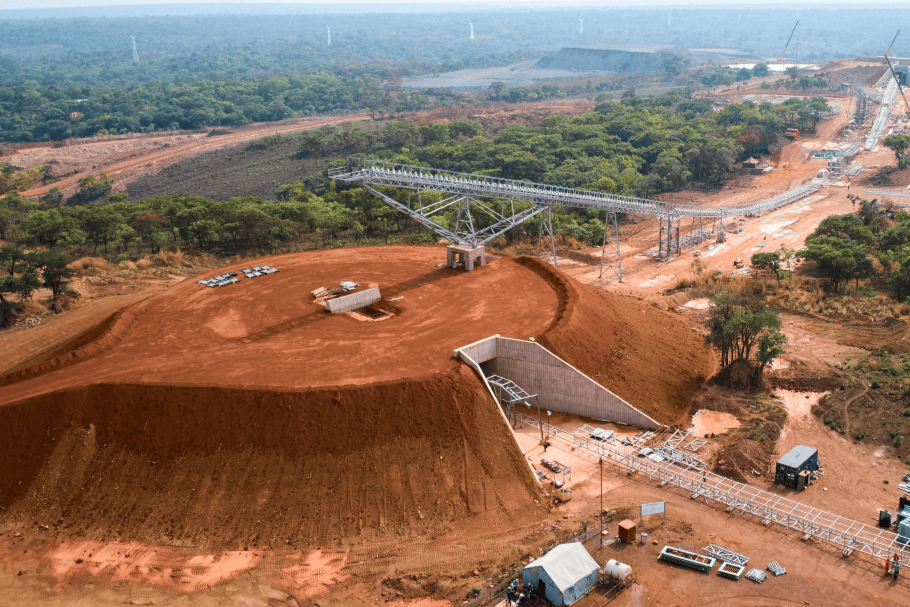
The Democratic Republic of Congo is rapidly strengthening its position in the US copper market, with American imports of Congolese copper reaching a record 53,290 tonnes in July 2026.
The volume represented nearly 24 per cent of total US copper imports for the month, underlining the growing importance of the DRC as Washington and American companies seek alternative sources of the strategic metal.
The development is significant for a country whose copper exports have historically been closely tied to Chinese markets.
Growing US demand gives Kinshasa an opportunity to diversify its customer base while strengthening its position in global copper supply chains.
Copper is becoming increasingly strategic because of its role in power transmission, electric vehicles, renewable energy, construction and data centres.
The metal’s importance has been reinforced by tight global supply and strong demand for new electricity infrastructure.
For the DRC, the opportunity is substantial.
The country possesses some of the world’s richest copper deposits, particularly in the mineral-rich southeast, where mining investment has expanded rapidly.
But increased exports also raise a longstanding question: how much value does the DRC capture from its mineral wealth?
The government is increasingly pushing for greater local processing, improved geological information and stronger control over the country’s mineral resources.
That could eventually create opportunities beyond mining, including refining, manufacturing, engineering and logistics.
The DRC is also strengthening its geological mapping programme to identify new deposits and provide investors with better information.
For international investors, the country’s growing importance in the copper market presents opportunities across the mining value chain.
For Kinshasa, the challenge is ensuring that increased foreign demand translates into infrastructure, employment, tax revenues and industrial development at home.
The copper story is therefore becoming bigger than commodity exports.
It is increasingly about who controls the resources, processing capacity, infrastructure and markets that will define the next phase of Africa’s mineral economy.