



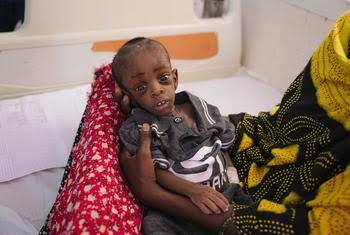
New estimates warn of rising nutrition needs across arid counties, with experts calling for stronger community health services and sustained access to treatment.
More than 883,000 children aged between six months and five years in Kenya are projected to require treatment for acute malnutrition between April 2026 and March 2027, highlighting the scale of the country’s continuing child nutrition challenge.
The latest analysis by the Integrated Food Security Phase Classification (IPC), released in September 2026, estimates that 221,000 cases among children could involve severe acute malnutrition, the most dangerous form of undernutrition. An additional 117,000 pregnant and breastfeeding women are also expected to require treatment during the same period.
The findings point to mounting pressure on health and nutrition services, particularly in Kenya’s arid and semi-arid lands, where drought, food insecurity, disease and limited access to essential services have left many families vulnerable.
Areas of concern include Turkana, Marsabit, Mandera, Wajir, Garissa, Tana River, Samburu and parts of Isiolo and Baringo. Several areas were classified in the IPC’s Critical Phase for acute malnutrition during the April–July period, indicating an urgent need for intervention.
Child malnutrition occurs when children do not receive sufficient nutrients to support normal growth and development. It can take several forms, including wasting, stunting and deficiencies in essential vitamins and minerals.
Wasting occurs when a child is too thin for their height, often because of recent weight loss or inadequate weight gain. Stunting results from chronic or recurrent undernutrition and is reflected in a child’s height being too low for their age.
Both conditions can have serious consequences, affecting immunity, physical development and cognitive outcomes. Severe acute malnutrition can become life-threatening without timely treatment.
The situation is particularly concerning for children under five, whose nutritional needs are high and whose bodies are developing rapidly. Children aged six to 23 months are especially vulnerable because they are transitioning to complementary foods while continuing to require nutrient-rich diets.
Kenya’s latest nutrition concerns have also been compounded by funding pressures affecting emergency response programmes.
In Turkana County, the government and Save the Children Kenya have been working to sustain essential nutrition and healthcare services following the implementation of a six-month Emergency Integrated Nutrition and Water, Sanitation and Hygiene Response Project.
The programme operated through 184 outreach sites, providing nutrition screening, immunisation, antenatal and postnatal care, child welfare services and water and sanitation interventions.
According to the Kenya News Agency, the programme also supported the distribution of 10,133 bags of Corn-Soya Blend Plus, a specialised nutritional product used in supplementary feeding programmes. The project covered 10 sub-counties and was designed to reach vulnerable and mobile populations.
However, authorities have identified the sustainability of these services as a concern as donor funding declines. Turkana County is considering stronger community health services and the use of Social Health Authority funding as part of efforts to maintain access to essential interventions.
The county’s experience reflects a wider challenge facing nutrition programmes: ensuring that children who need treatment can access it consistently, particularly in remote communities where healthcare facilities are widely dispersed.
Food insecurity is another major contributor. When households cannot afford or access sufficient nutritious food, children may receive meals that provide energy but lack adequate protein, vitamins and minerals.
Poor sanitation and unsafe water can further worsen the situation by increasing the risk of diarrhoeal diseases and other infections, which can reduce nutrient absorption and increase nutritional requirements.
Preventing child malnutrition therefore requires more than providing food. It also involves improving maternal nutrition, promoting appropriate infant feeding, expanding access to clean water and sanitation, preventing infections and strengthening primary healthcare.
The World Health Organization recommends exclusive breastfeeding for the first six months of life, followed by the introduction of safe and nutritionally adequate complementary foods alongside continued breastfeeding up to two years or beyond.
For children aged six months and older, meals should include a variety of nutrient-rich foods appropriate for their age and developmental needs. Depending on availability and affordability, these can include eggs, milk, fish, meat, beans, green grams, vegetables, fruits and fortified foods.
Caregivers should also attend routine growth-monitoring appointments, where health workers can assess a child’s growth and identify potential nutritional problems early.
Warning signs of acute malnutrition may include visible weight loss, unusually thin arms and legs, poor appetite, lethargy and swelling of both feet. Children showing these signs should be assessed promptly by a qualified healthcare professional.
Severe acute malnutrition requires specialised medical and nutritional management. Caregivers should not attempt to treat severe cases through home diets alone.
The latest projections underscore the importance of sustained investment in nutrition screening, treatment supplies, community outreach and programmes that improve household access to nutritious food.
For Kenya, the challenge is not only to respond to children already experiencing malnutrition but also to prevent new cases by addressing the underlying causes of food insecurity and poor nutrition.
With hundreds of thousands of young children potentially requiring treatment over the coming year, maintaining reliable access to nutrition services will be essential to protecting lives and supporting healthy childhood development.
The central concern is clear: without sustained nutrition interventions and stronger support for vulnerable households, Kenya risks leaving hundreds of thousands of children exposed to preventable health complications during the most critical years of their development.
Sources: Integrated Food Security Phase Classification, Kenya News Agency and World Health Organization.

