



ZAMBIA and the United States have signed a $2.49 billion health financing agreement aimed at strengthening healthcare delivery, expanding the medical workforce and improving the country’s capacity to detect and respond to disease outbreaks.
The agreement, signed on October 8, 2026, provides for a US contribution of $1.52 billion, while the Zambian government has committed $975 million to its healthcare system over five years.
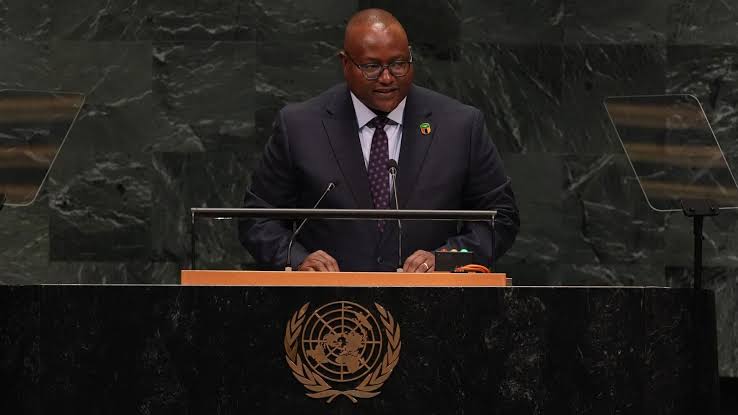
According to the Associated Press, Zambia’s Health Minister, Roma Chilengi, said the agreement would support the recruitment of 40,000 healthcare workers during the implementation period.
The proposed recruitment drive could help address staffing gaps in healthcare facilities and strengthen access to medical services across the country.
The agreement comes as Zambia continues to address challenges involving healthcare infrastructure, medical supplies, staffing levels and the financing of essential services.
Strengthening disease surveillance is another major component of the partnership. Improved surveillance systems can help health authorities identify potential outbreaks earlier, coordinate responses and reduce the risk of diseases spreading across communities.
The United States has presented the partnership as an investment in shared health security, reflecting the importance of effective public health systems in detecting and responding to infectious diseases.
However, the agreement also highlights changing priorities in international health financing, with partner governments being encouraged to assume greater responsibility for sustaining their healthcare systems.
Zambia’s commitment of $975 million over five years places significant emphasis on domestic financing and the long-term sustainability of public health services.
The negotiations were preceded by disagreements over the management of medical supplies and the protection of sensitive health information.
In 2025, the United States announced the withdrawal of $50 million in annual health assistance to Zambia amid concerns about the handling of donated medicines and medical supplies.
Patient data protection also became a central issue during negotiations over the new agreement. The final deal excluded disputed provisions concerning patient data and the sharing of biological specimens.
The outcome underscores the importance of balancing international health cooperation with national data protection requirements and the responsible management of medical information.
For ordinary Zambians, the agreement’s significance will depend on how effectively the promised funding translates into better-equipped health facilities, adequate staffing and more reliable access to essential medicines.
Recruiting additional healthcare workers could improve service delivery, but successful implementation will also require appropriate deployment, training and sustainable financing.
The government will need to ensure that resources reach facilities serving communities with the greatest healthcare needs, including those in rural and underserved areas.
Transparency in spending and regular monitoring of results will be important in determining whether the agreement achieves its objectives.
As implementation progresses, the partnership could provide Zambia with an opportunity to strengthen its healthcare workforce and improve public health preparedness.
Its lasting impact, however, will depend on effective management, accountability and continued investment in a healthcare system capable of meeting the needs of the population.

