



South Africa’s private sector contracted in September as rising fuel costs, weakening demand and supply chain disruptions placed additional pressure on businesses, raising concerns about the country’s economic recovery.
The S&P Global South Africa Purchasing Managers’ Index (PMI) fell to 49.0 in September from 50.5 in August, signalling a return to contraction. A reading below 50 indicates that business activity is declining.
According to data published on October 5, 2026, the downturn was accompanied by a sharp decline in new orders, with companies reporting weaker customer demand amid uncertainty over fuel prices and broader economic conditions.
David Owen, principal economist at S&P Global Market Intelligence, said businesses experienced renewed contractions in activity, new orders and purchasing inventories.
The decline in new orders was particularly concerning, falling at the fastest rate in two-and-a-half years as customers delayed spending decisions.
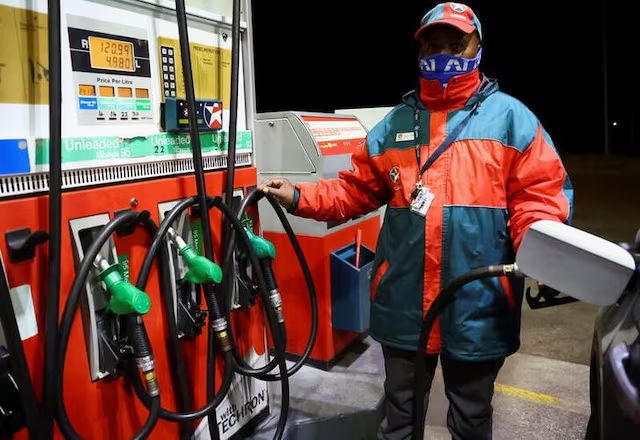
Higher fuel prices have emerged as a significant challenge for South African businesses, increasing transportation expenses and the cost of moving goods across the country.
Manufacturers and retailers are particularly vulnerable to these pressures because higher operating costs can reduce profit margins or force companies to increase prices.
Supply chain challenges have added to the difficulties. Businesses reported longer supplier delivery times, with congestion at the Port of Durban, shipping disruptions and shortages of materials contributing to delays.
The situation could affect companies that depend on imported raw materials, machinery and finished products, potentially increasing production costs and extending delivery schedules.
Despite the slowdown, export demand provided some relief. New export business increased for the fourth consecutive month, offering a measure of support to companies serving international markets.
Employment levels remained relatively stable, although businesses reported a slight reduction in their workforces.
Input cost inflation also remained elevated, largely because of higher fuel prices. Companies responded by increasing their selling prices at the fastest pace since June, creating additional pressure on consumers already dealing with the cost of living.
However, business confidence showed some improvement. Expectations for future activity rose for a third consecutive month, reaching their highest level since May as companies anticipated potential improvements in supply conditions and fuel prices.
The latest PMI figures come against a broader economic backdrop of subdued growth. South Africa’s economy contracted by 0.2 per cent in the second quarter of 2026, according to official data.
The combination of weak domestic demand, rising operating costs and external economic uncertainty continues to complicate the recovery.
For South African businesses, the immediate priorities will include managing expenses, maintaining customer demand and strengthening supply chain resilience.
The coming months will be important in determining whether improved business expectations translate into renewed expansion or whether cost pressures continue to constrain economic activity.

