



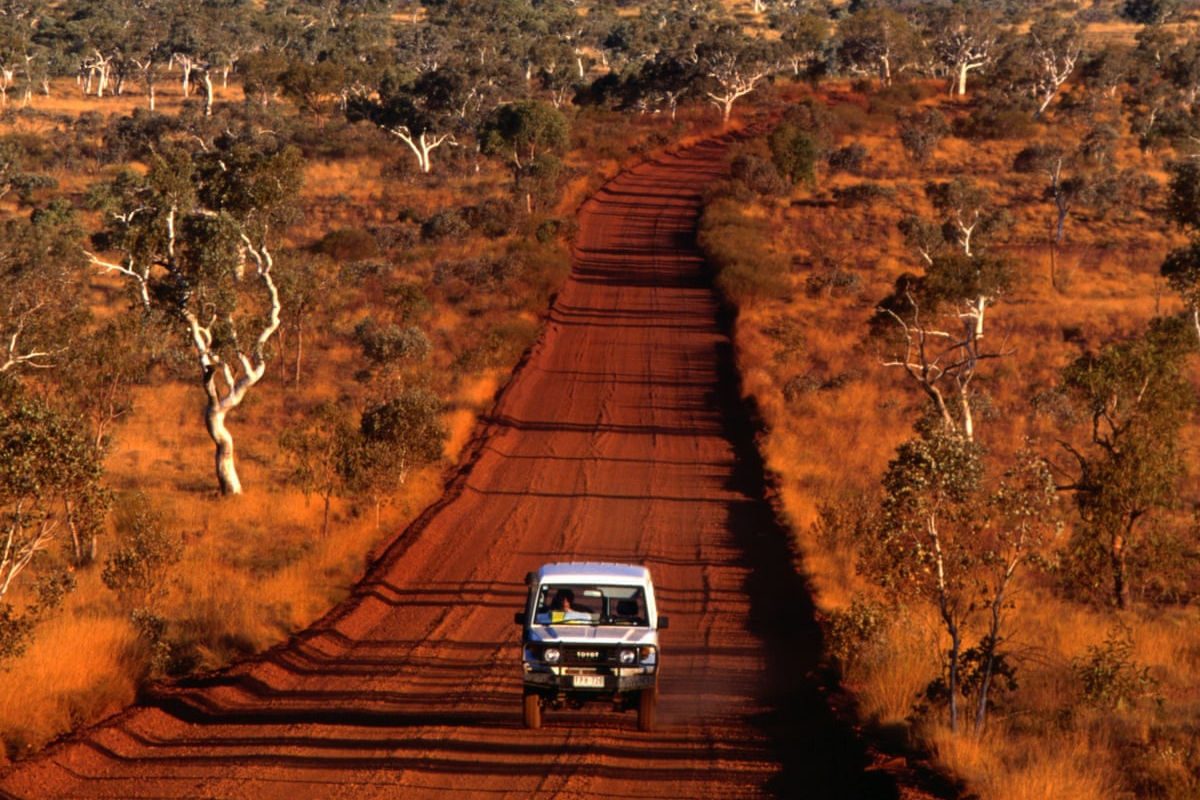
There is a moment on every great road trip when the familiar disappears.
On a Cape Town-to-Cairo expedition, it can happen somewhere north of Johannesburg, when the traffic thins, the road stretches towards the horizon and the idea of simply driving north suddenly becomes something much bigger.
You are no longer travelling between two cities.
You are crossing a continent.
The Cape Town-to-Cairo journey is not one fixed road. Routes change according to border conditions, security, weather and the countries included in the itinerary. But the classic overland concept runs for more than 10,000 kilometres and connects an extraordinary sequence of landscapes, cultures and climates.
The journey begins beside the Atlantic.
Cape Town’s Mediterranean climate is a gentle introduction to what lies ahead. Morning can bring a crisp chill, while summer afternoons are bright and dry. Table Mountain dominates the skyline, and before leaving the city, it is worth having one last breakfast that feels unmistakably South African — eggs, sourdough, boerewors or perhaps a toasted sandwich and strong coffee.
Then the road points north.
Through the Western Cape and into the interior, vineyards give way to open farmland. South African road infrastructure is generally excellent on the major routes, allowing the driver to settle into a rhythm.
The further north you travel, however, the more the journey becomes about space.
In Botswana, wildlife can become part of the road itself. Elephants wander near routes, livestock and pedestrians appear unexpectedly and long stretches can feel almost completely empty. Traditional roadside settlements are modest: a fuel station, small shop, bottle store, mechanic and perhaps a shaded place selling grilled meat.
Food becomes an unofficial map of the journey.
South African braai culture gives way to Zimbabwean sadza, Zambian nshima, Tanzanian ugali and East African nyama choma. The ingredients may change, but the ritual remains familiar — food shared around a table, often with strangers becoming temporary companions.
In Zambia, Victoria Falls provides a dramatic pause.
The Zambezi is loud, wet and powerful. Mist hangs over the gorge, vegetation becomes intensely green and the heat can feel heavy after the dry southern landscapes.
From Zambia, the route north enters East Africa.
Tanzania changes the visual language of the journey again. Acacia trees spread across open plains, Maasai communities can be encountered around northern Tanzania and the great safari landscapes of the Serengeti and Ngorongoro turn the road into something resembling a wildlife documentary.
The weather is equally varied.
At lower elevations, afternoons can be hot. Around the highlands, mornings may be cool and clouds can gather quickly. Rain can transform dirt roads into slippery tracks, while dry-season dust settles on everything — vehicle windows, luggage, shoes and camera lenses.
Kenya provides another cultural transition.
The road approaches Nairobi through landscapes that become increasingly agricultural before the city appears almost suddenly.
Nairobi is worth treating as more than a fuel stop.
Its restaurants, markets, galleries and neighbourhoods provide a glimpse of contemporary East Africa: young entrepreneurs working from cafés, matatu culture, mobile-money transactions, street vendors and an urban population connected to the rest of the world.
But the road calls again.
Northwards, the landscape becomes increasingly dramatic.
Depending on the chosen route and current conditions, travellers may continue through northern Kenya towards Ethiopia. Here the journey becomes more demanding. Distances are longer, settlements fewer and road conditions less predictable.
Ethiopia offers one of the biggest cultural changes of the expedition.
Coffee is not simply a beverage here. It is a social ceremony.
A roadside coffee stop can become an unexpected hour-long experience, with beans roasted, ground and brewed while the traveller waits. Injera and richly spiced stews provide another contrast to the grilled meats and maize-based dishes encountered farther south.
The landscape also changes.
Highlands replace savannah. Roads climb and descend through dramatic escarpments. Small farms cling to hillsides. Donkeys, pedestrians and minibuses compete for road space.
Then comes Sudan, where the environment turns towards desert.
The heat becomes more severe, the vegetation thins and the Nile assumes increasing importance.
The desert experience is deceptive. Days can be brutally hot, while nights may become surprisingly cold. The road can appear endless, with sand and rock stretching towards the horizon.
Roadside tea becomes essential.
A small shaded stall can feel like a luxury hotel after hours in the heat. A glass of sweet tea, a piece of bread and conversation with a local driver can provide more memorable hospitality than any expensive restaurant.
Eventually Egypt appears.
The Nile becomes the thread connecting the final stages of the journey.
The transformation is remarkable: desert gives way to cultivated land wherever the river provides water. Palm trees appear. Villages become denser. Traffic increases.
Then Cairo arrives.
After thousands of kilometres, the city is almost overwhelming.
Cars, horns, pedestrians, street sellers, cafés and buildings compete for attention. The smell of grilled meat, bread and spices hangs in the air.
The pyramids provide the obvious finale, but perhaps they should not be the first destination.
After crossing Africa by road, the best ending may be sitting at a modest café, drinking mint tea or strong coffee and watching Cairo move around you.
Because the real achievement was never reaching the pyramids.
It was everything between them and Table Mountain.
The road teaches you that Africa is not a single travel experience.
It is Cape Town’s cool Atlantic mornings and Botswana’s elephant country. It is East African nyama choma and Ethiopian coffee. It is highland rain and Saharan heat. It is cities that never sleep and villages where the evening still follows the rhythm of sunset.
It is the mechanic who fixes your tyre, the roadside cook who serves you food you cannot name, the child who waves as your vehicle passes and the stranger who offers directions even when you are clearly lost.
A journey across Africa changes the meaning of distance.
Ten thousand kilometres stops being a number.
It becomes stories.
And that is why Cape Town to Cairo remains one of the world’s great overland adventures.

