



Uganda’s decision to withdraw from the 2027 Invictus Games has turned a sporting participation story into something much bigger.
The country had only recently joined the Invictus community and was preparing to send wounded and injured service personnel to the Birmingham Games.
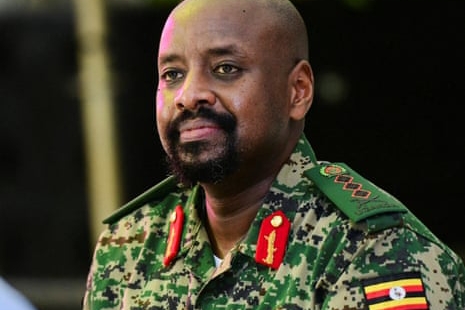
On Wednesday, Uganda’s Chief of Defence Forces, Gen Muhoozi Kainerugaba, announced the withdrawal, saying the country did not want to be seen as opposing King Charles III.
The decision came shortly after Buckingham Palace clarified that Prince Harry and Meghan Markle are private citizens and no longer working members of the Royal Family.
Harry founded the Invictus Games in 2014 to give wounded, injured and sick military personnel and veterans an international sporting platform.
For Uganda, participation would have offered its injured service members an opportunity to compete internationally while using sport as part of rehabilitation and recovery.
That makes the withdrawal particularly notable.
Uganda had become the first East African country to join the Invictus community. Its participation had been presented as a new opportunity for its military personnel and veterans.
The reversal therefore raises questions about how sporting initiatives can become caught up in diplomatic, institutional and political considerations.
Sport has often provided countries with a space where relationships can be strengthened beyond government meetings.
But international sporting events can also carry symbolism.
For the wounded service personnel who may have hoped to represent Uganda in Birmingham, the most important issue may ultimately have little to do with royal disagreements.
It is about what participation could have offered them: competition, recognition, rehabilitation and the opportunity to represent their country.
Uganda’s withdrawal is therefore more than an administrative decision.
It illustrates how, in international sport, the athletes are sometimes affected by decisions made far beyond the playing field.

