



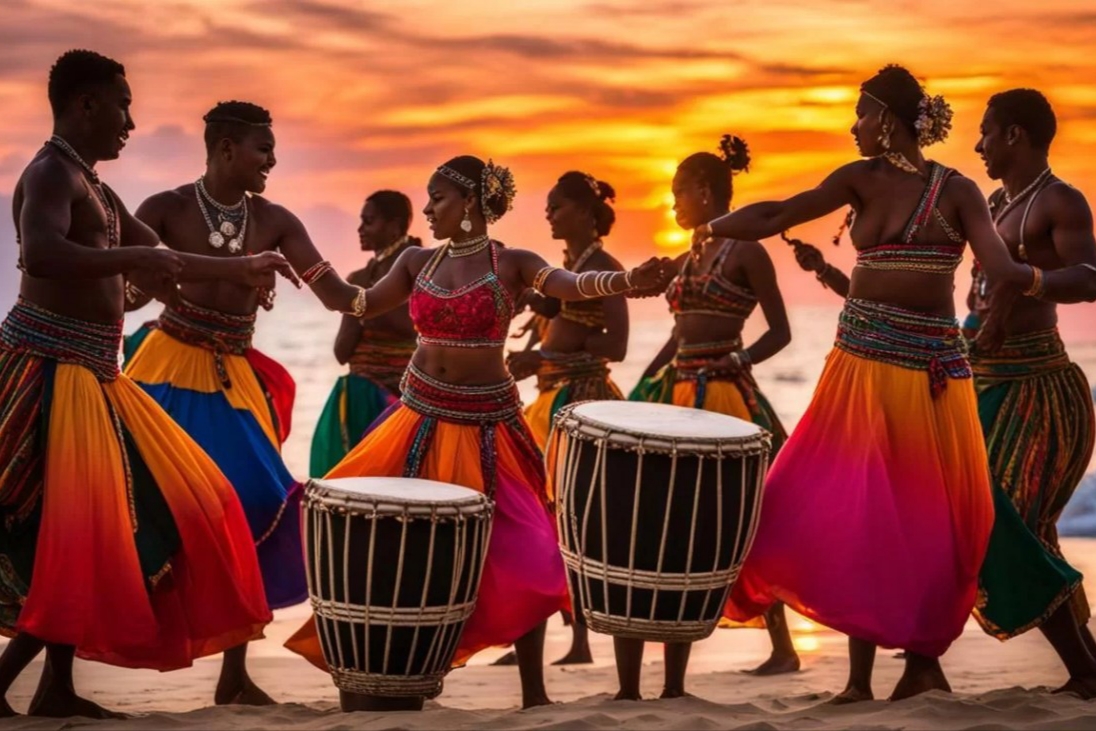
Cape Verde is often introduced through its beaches — and understandably so. Turquoise water, volcanic landscapes and long stretches of sand have made the Atlantic archipelago a favourite for travellers seeking sunshine.
But to understand Cape Verde, visitors need to look beyond the shoreline.
On islands such as Sal and Boa Vista, tourism has transformed parts of the coast into busy holiday destinations. Yet the beach remains deeply connected to everyday life. It is a place for football, conversation, music and socialising, not simply sunbathing.
Football has become an especially powerful part of Cape Verdean identity. Young people gather on beaches and open spaces to play, while the country’s success on the international stage has given the sport an even stronger place in national life.
Away from the resorts, the islands reveal a different rhythm.
Mindelo, on São Vicente, is associated with music and the cultural legacy of Cesária Évora, while Santiago offers a closer encounter with Cape Verde’s history and Creole culture.
Food is another way into island life. Seafood features heavily on menus, alongside dishes influenced by Portuguese and West African traditions. Cachupa, a slow-cooked stew of maize, beans, vegetables and meat or fish, remains one of the country’s best-known dishes.
Then there are the landscapes. Cape Verde is volcanic at heart, with rugged mountains, dry valleys and dramatic coastlines that contrast sharply with the postcard image of tropical beaches.
The result is a destination with several personalities.
Come for the ocean, but stay for the music, football, food and stories.
Cape Verde’s real attraction may not be a single beach or resort, but the distinct island culture that exists beyond them.

