


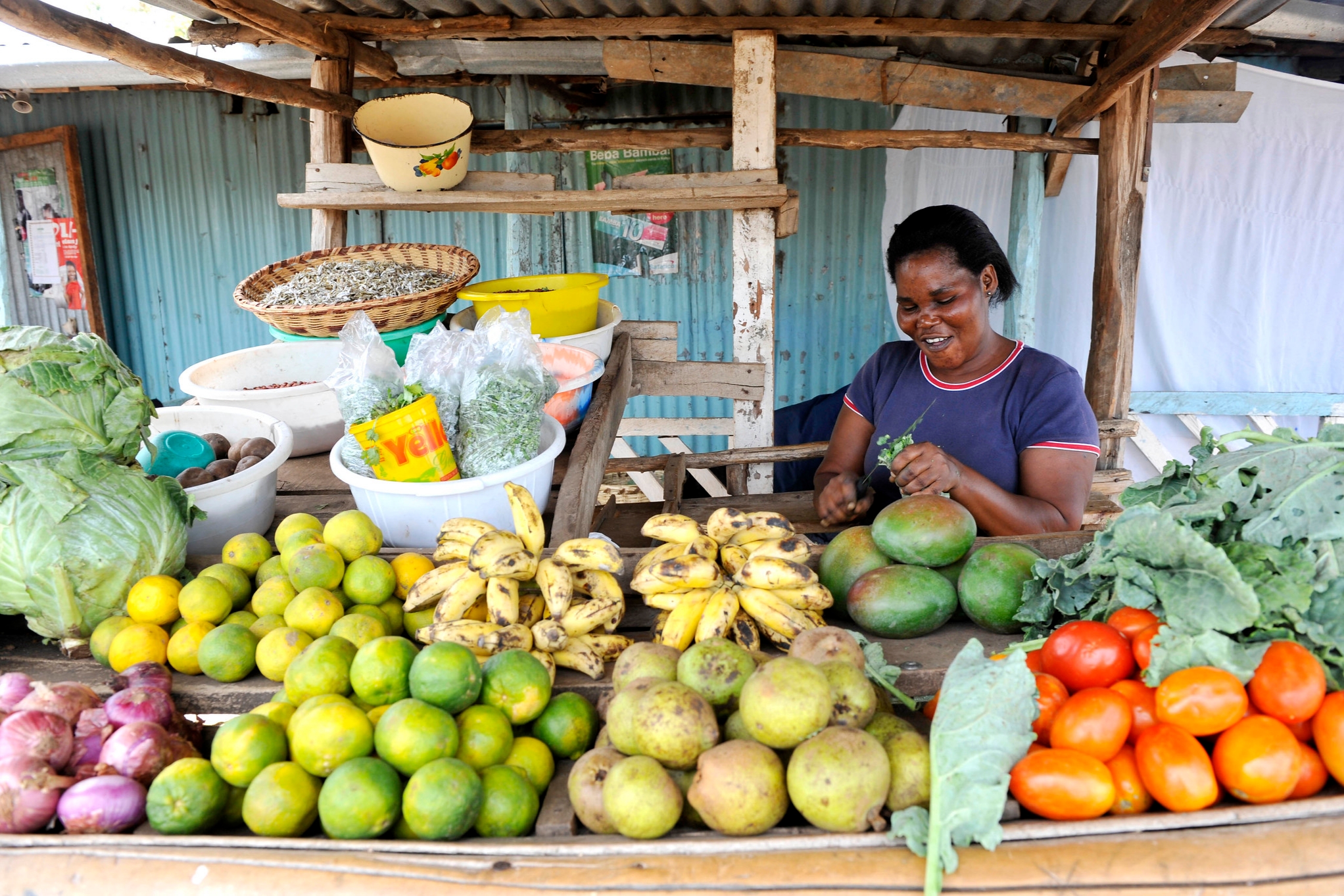
Every morning across Africa, millions of businesses open without ringing a bell on a stock exchange.
They operate in markets, along roadsides, from workshops and increasingly through smartphones.
They are informal businesses—and they form one of the continent’s largest economic engines.
From food vendors and mechanics to fashion designers and small traders, the informal economy provides livelihoods for millions of households.
Yet it often remains invisible in mainstream economic discussions.
Governments tend to measure formal employment, registered companies and tax revenues. But much of Africa’s commercial activity exists outside those structures.
That presents both an opportunity and a challenge.
The informal economy demonstrates Africa’s entrepreneurial energy.
Where formal employment is limited, people create their own opportunities.
But informality can also limit growth.
Small businesses operating outside formal systems often struggle to access bank loans, insurance and government procurement opportunities.
Workers may lack social protection.
Businesses remain small because registering formally can appear expensive or complicated.
The challenge for policymakers is therefore not to eliminate informal businesses.
It is to make formalisation attractive.
Digitisation could play an important role.
Mobile payments are creating financial records for businesses that previously operated entirely in cash. Digital platforms can help entrepreneurs reach customers and access credit.
Governments can also simplify registration and tax systems.
A trader is more likely to register a business if the process is affordable and the benefits are clear.
The informal economy should not be viewed solely as a tax problem.
It is an economic reality.
Africa’s future workforce will not be absorbed entirely by large corporations or government institutions.
Small enterprises will continue to create livelihoods.
The policy question is whether these businesses remain trapped in survival mode—or receive the tools to grow.
Africa’s entrepreneurs do not lack ambition.
What many lack is access.
Access to affordable credit, reliable infrastructure and larger markets could transform millions of micro-enterprises into formal, growing businesses.
The continent’s invisible economy may already be one of its greatest strengths.
The challenge now is making it visible enough to support.