


Southern Africa is facing a defining industrial challenge: how to turn its abundant mineral resources, growing consumer markets and infrastructure investments into a deeper manufacturing economy.
The region’s manufacturing value added accounted for about 8.7 per cent of GDP in 2024, according to the African Development Bank’s Africa Industrialisation Index. The figure has changed little over the past decade, highlighting the difficulty of moving economies beyond commodities and low-value production.
Yet there are signs of change.
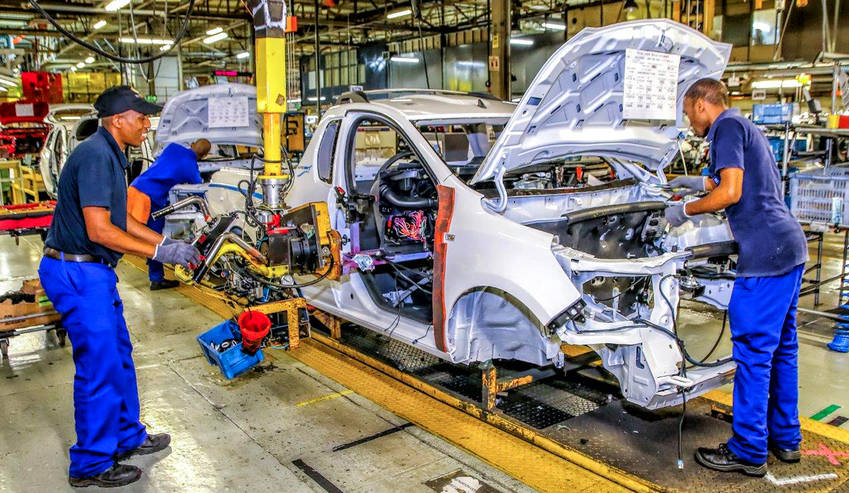
South Africa continues to attract major automotive investments, while Zimbabwe is seeing manufacturing benefit from lithium and other mineral investment.
Botswana is developing leather processing and other Special Economic Zone projects, while Zambia is seeking to expand industrial activity around its mining and agricultural sectors.
The common thread is value addition.
Instead of exporting minerals, livestock and agricultural commodities in raw form, governments increasingly want factories that process these resources locally.
For investors, this creates opportunities across manufacturing supply chains.
Mining requires machinery, chemicals, engineering services and equipment. Food production requires packaging, cold storage and processing. Automotive manufacturing requires components, logistics and specialised suppliers.
The challenge is that industrialisation requires more than factories.
Reliable electricity, efficient ports and railways, affordable finance, skilled labour and predictable regulations are equally important.
Southern Africa’s regional integration could help address another problem: small domestic markets.
The Southern African Development Community is positioning the region as an integrated investment destination, with capital-market integration and regional industrialisation among its priorities.
That approach could allow manufacturers to design factories around regional rather than national demand.
The stakes are high.
The African Development Bank projects Southern Africa’s economic growth at 2.1 per cent in 2026, with structural bottlenecks, infrastructure gaps and limited diversification continuing to constrain the region.
Manufacturing offers one route out.
If Southern African economies can combine their mineral and agricultural advantages with regional trade, technology and industrial capital, they could build more resilient economies with higher-value exports.
The next industrial race will not simply be about who produces the most commodities.
It will be about who captures the greatest value before those commodities leave the continent.