


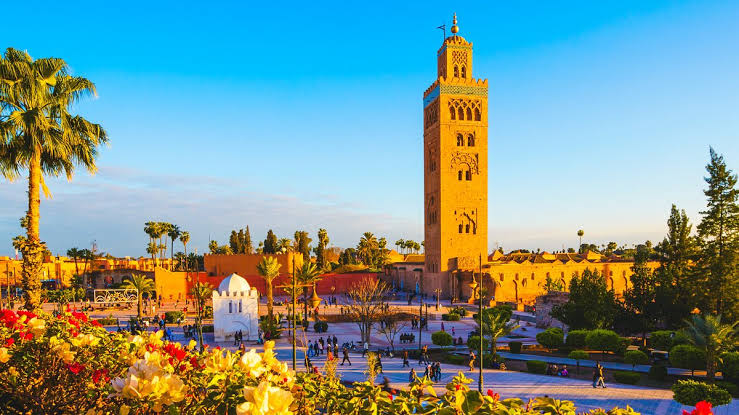
Morocco has long sold travellers the romance of Marrakech — its ochre walls, souks, riads and bustling medina. But the country’s appeal stretches far beyond the Red City.
For travellers looking for a more layered experience, Fes offers a journey into Morocco’s intellectual and cultural past. Its ancient medina, narrow lanes and traditional artisans make it one of the country’s most atmospheric destinations.
Further north, Chefchaouen has become one of Africa’s most photographed towns. Its blue-washed buildings sit dramatically against the Rif Mountains, creating a destination that feels almost dreamlike.
Then there is Tangier, where Africa meets the Mediterranean. Once a magnet for artists, writers and adventurers, the port city is enjoying a new wave of attention thanks to its beaches, restaurants, galleries and strategic location.
Morocco’s Atlantic coast provides another side of the country. Essaouira combines seafood, surf and a relaxed medina atmosphere, while Agadir offers a more conventional resort experience.
For adventurous travellers, the Atlas Mountains provide opportunities for hiking and village stays, while the Sahara offers overnight desert experiences around Merzouga and Zagora.
What makes Morocco particularly compelling is the ease with which these experiences can be combined. A traveller can move from a medieval city to the mountains, then into the desert before ending on the Atlantic coast.
The country’s tourism infrastructure also makes independent travel relatively accessible, with a growing network of trains, domestic connections, hotels and boutique riads.
Morocco’s real attraction, therefore, may not be any single landmark.
It is the contrast.
In one journey, travellers encounter imperial cities, Berber culture, Mediterranean influences, Atlantic landscapes and Saharan traditions.
That diversity is what turns a visit to Morocco from a holiday into an experience.