


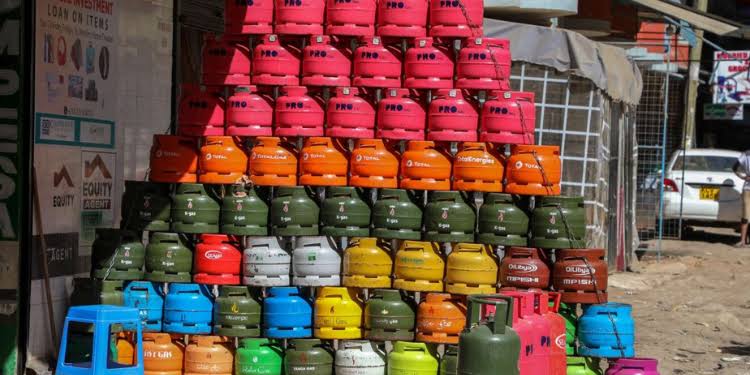
Kenyan households could face higher cooking gas prices in the coming weeks as disruption to energy infrastructure and shipping routes in the Middle East pushes up costs across international fuel markets.
The potential increase comes as LPG demand in Kenya continues to grow, making global supply disruptions increasingly relevant to households, restaurants, hotels and other businesses that depend on cooking gas.
Middle East disruptions raise supply concerns
The latest pressure is linked to instability in one of the world’s most important energy-producing regions, where attacks on infrastructure and disruption around major shipping routes have complicated the movement of petroleum products.
Saudi Arabia has been forced to explore alternative routes for moving crude after attacks disrupted parts of its oil infrastructure. The resulting pressure on shipping capacity and freight costs has added uncertainty to international energy markets. (reuters.com)
For Kenya, the concern is that higher international commodity, freight and insurance costs could eventually feed into the price importers pay for LPG.
The impact will depend on how long the disruption lasts, international LPG prices, shipping costs, the exchange rate and the timing of new shipments.
Kenya’s growing appetite for LPG
Kenya’s exposure to international LPG prices is becoming more significant as consumption rises.
During January-June 2026, Kenya consumed 248.82 thousand metric tonnes of LPG, up from 224.52 thousand metric tonnes during January-June 2025. That represents growth of 24.30 thousand metric tonnes, or approximately 10.8 per cent year-on-year.
A separate comparison shows that between July and December 2025, LPG consumption reached 251,425 metric tonnes, compared with 219,416 metric tonnes during July-December 2024, an increase of about 14.6 per cent.
The two comparisons cover different six-month periods and should therefore be assessed separately. Together, they point to sustained growth in Kenya’s LPG market. (epra.go.ke)
Households face another cost pressure
The potential increase comes as consumers continue to contend with elevated living costs.
Kenya’s annual inflation rate stood at 6.6 per cent in August 2026, according to the Kenya National Bureau of Statistics. Food and non-alcoholic beverages rose by 9.0 per cent, while transport costs increased by 15.7 per cent. Housing, water, electricity, gas and other fuels recorded annual inflation of 3.6 per cent. (knbs.or.ke)
Higher LPG prices would add directly to household cooking costs and could also increase operating expenses for food businesses.
For households using gas regularly, even a modest increase in the cost of a refill can affect monthly budgets. For commercial users, higher energy costs can feed into the price of prepared food and hospitality services.
Storage investment offers some protection
Kenya is expanding its LPG infrastructure, including the development of a major bulk storage facility at Dongo Kundu in Mombasa.
The project is expected to increase storage capacity and strengthen Kenya’s ability to receive and distribute larger LPG shipments. Greater storage could give importers more flexibility during temporary disruptions and reduce the risk of physical shortages.
It cannot, however, completely shield consumers from global commodity prices.
Kenya remains connected to international LPG markets, meaning prolonged disruptions could still raise the cost of replacement supplies.
The clean-cooking challenge
The latest price pressure highlights a wider policy dilemma.
Kenya wants more households to move towards cleaner cooking fuels, but affordability remains critical to that transition. If LPG becomes significantly more expensive, some lower-income households could reduce consumption or return to cheaper alternatives such as charcoal.
That could undermine progress in clean cooking while increasing household expenditure on energy.
The growing LPG market therefore makes supply security, competition, storage capacity and diversified import sources increasingly important.
What happens next
There is no single nationwide LPG price that can be assigned to the current international disruption. Retail prices vary by supplier, location and cylinder size, and any increase will depend on the cost of new imports.
If shipping routes stabilise and international prices retreat, pressure on Kenyan consumers could ease. If disruptions persist, higher import and freight costs could gradually be passed through the supply chain.
For Kenyan households, the latest developments offer another reminder of the country’s exposure to global energy markets.
The immediate question is how long the disruption will last. The longer-term one is whether Kenya can build an LPG supply chain resilient enough to protect consumers from the next international energy shock.