


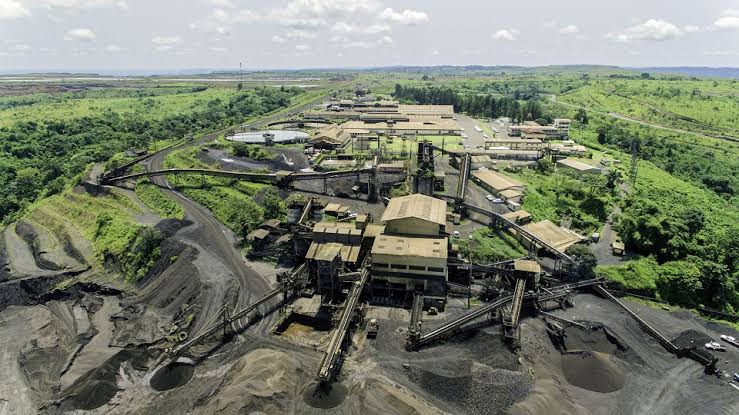
Gabon has received a reminder that mineral potential alone is not enough to attract and retain mining investment.
Australian junior Rapid Critical Metals has abandoned its Nyanga nickel-copper exploration project after almost a decade of work and an estimated A$12 million investment.
The company concluded that the project’s economics did not justify continued exploration, highlighting the risks facing mining companies developing deposits in frontier markets.
The decision comes as nickel and copper remain strategically important to global industry.
Copper is essential for electricity networks, construction, electric vehicles and renewable-energy infrastructure, while nickel remains an important industrial metal with applications in batteries and stainless steel.
Yet strong global demand does not guarantee that individual deposits will be commercially viable.
Exploration companies must contend with expensive drilling programmes, uncertain geological results, infrastructure requirements, commodity-price volatility and difficulties securing development finance.
For Gabon, the Nyanga experience highlights the importance of creating conditions that can support investors through the lengthy journey from exploration to production.
The country already has an established mining industry, particularly around manganese, but it is seeking to diversify its mineral base.
Nickel, copper and other strategic minerals could provide new investment opportunities if commercially viable deposits are identified.
However, investors will expect predictable regulation, efficient infrastructure, reliable energy supplies and clear routes to export markets.
The lesson from Nyanga extends beyond Gabon.
As African countries compete for investment in critical minerals, governments will need to distinguish between geological potential and projects capable of delivering commercial returns.
The critical-minerals boom is creating enormous opportunities across the continent, but capital will increasingly favour projects with strong economics, credible feasibility studies and reliable infrastructure.
For Gabon, the next challenge is to ensure that exploration setbacks do not discourage future investment.
The country has resources to offer.
The question is whether it can create the conditions required to turn those resources into bankable mining projects.