



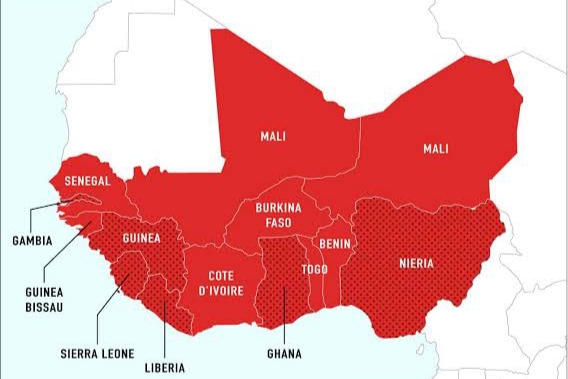
West Africa’s economy is expected to expand by 4.6 per cent this year, with stronger private investment, domestic demand and activity in the oil, gas and mining sectors supporting growth.
The African Development Bank says the region recorded 4.8 per cent growth in 2025, outperforming the continental average of 4.4 per cent.
The bank’s latest regional economic outlook points to continued resilience despite geopolitical tensions, insecurity in parts of the region and tighter global financial conditions.
Infrastructure investment is also expected to contribute to economic expansion as governments and businesses increase spending on projects designed to improve productive capacity.
However, the positive outlook is accompanied by significant risks.
The bank warns that high public debt, global inflationary pressures and tighter financing conditions could limit governments’ ability to sustain investment and social spending.
West Africa also faces a substantial development financing gap. The African Development Bank estimates that the region requires between $90 billion and $100 billion annually to meet its development needs.
The institution argues that the region could mobilise more of the resources already available domestically by broadening tax bases, improving public financial management and directing long-term savings towards productive investment.
Tax collection remains a major challenge. The region’s average tax-to-GDP ratio was about 9.9 per cent over the past five years, significantly below the 20 per cent convergence benchmark used within the West African Economic and Monetary Union.
The bank has also called for greater formalisation of informal businesses and improved management of natural-resource revenues.
Côte d’Ivoire remains one of the region’s strongest performers and is projected to maintain relatively strong growth as it pursues industrialisation and private-sector development.
For West Africa, the outlook therefore combines encouraging growth prospects with an urgent need to strengthen domestic financing and reduce vulnerability to external shocks.

