



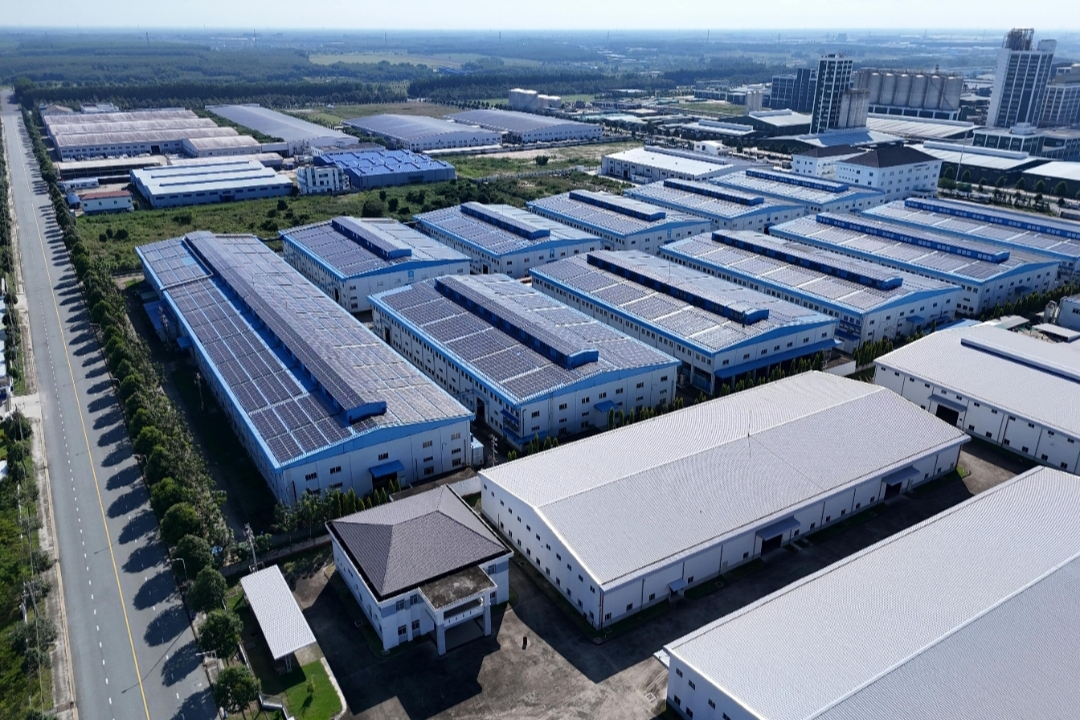
Kenya is intensifying efforts to attract major investments as policymakers seek to accelerate economic growth and create employment opportunities for a rapidly expanding workforce.
The country is targeting billions of shillings in new investment commitments, reflecting the growing urgency of creating productive jobs, particularly for young people entering the labour market.
Private sector investment has increasingly become central to the government’s economic strategy.
Large projects can generate direct employment while creating opportunities for suppliers, contractors and small businesses across their value chains.
Manufacturing, technology, renewable energy, agriculture and infrastructure are expected to remain important targets for investment promotion.
Kenya is also positioning itself as a gateway to regional markets through the East African Community and the African Continental Free Trade Area.
Its relatively developed financial sector, transport infrastructure and position as a regional business hub continue to provide advantages.
However, attracting investment commitments is only the first stage.
The bigger challenge lies in ensuring announced projects are implemented and translate into sustainable economic activity.
Investors continue to consider taxation, energy costs, infrastructure, land availability and regulatory certainty before committing capital.
Addressing these concerns will be critical if Kenya is to compete effectively with other African investment destinations.
The employment challenge adds urgency to the government’s investment agenda.
Thousands of graduates and young professionals enter the job market every year, while formal employment opportunities remain limited.
Analysts argue that investment policies should therefore focus not only on the value of projects secured but also on their capacity to create meaningful and sustainable jobs.
Supporting small and medium-sized enterprises will also be important.
SMEs remain major employers and could benefit from integration into supply chains created by larger investors.
Kenya’s investment strategy will ultimately be judged by outcomes rather than announcements.
Successful projects should contribute to employment, exports, skills development and technology transfer.
Consistent policies and efficient regulation will be essential in converting investor interest into operational businesses.
The scale of Kenya’s investment ambitions signals confidence in the country’s long-term economic potential.
But maintaining that momentum will require a business environment that gives both local and international investors confidence to commit capital for the long term.
For policymakers, the challenge is clear: attracting investment must go hand in hand with creating an environment where businesses can grow, employ and compete.

