


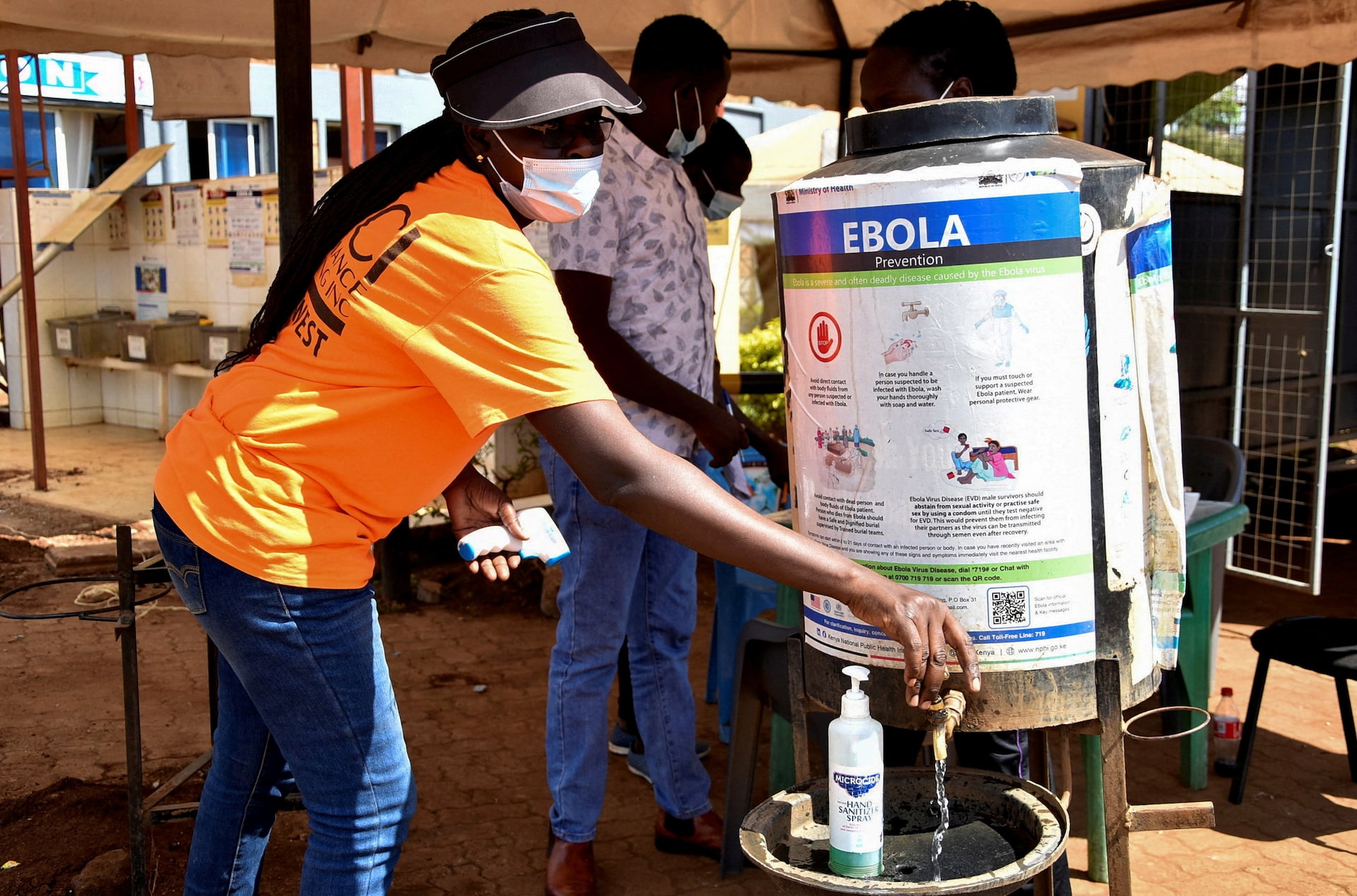
NAIROBI, Kenya, October 21, 2026 — Kenya has confirmed nine cases of Ebola virus disease, including one death, as health authorities intensify surveillance, contact tracing and infection prevention measures to contain the outbreak.
The outbreak has prompted heightened public health vigilance, with authorities monitoring people who may have been exposed to the virus and strengthening screening measures at selected points of entry.
Kenya’s first confirmed case involved a Kenyan national who had been living in the Democratic Republic of Congo (DRC), where an Ebola outbreak was already underway. The patient travelled through Uganda before arriving in Nairobi on October 3, 2026. He was admitted to a Nairobi hospital, isolated and tested for the virus. Laboratory tests confirmed Bundibugyo Ebola virus disease. Despite receiving supportive treatment, the patient died on October 5.
Subsequent infections were identified among close family members and healthcare workers who had contact with the initial patient. As of October 20, health authorities reported nine cases, including the initial patient, and one death. Authorities had identified 135 contacts and placed 134 under quarantine as part of efforts to contain further transmission.
The government has intensified health surveillance at airports and selected border crossings, particularly for travellers arriving from countries considered at elevated risk. Screening measures may include temperature checks and health declarations to identify people who could require further medical assessment.
People identified as having been exposed to confirmed cases may be placed under quarantine and monitored for 21 days. Health teams conduct regular symptom checks and arrange testing where necessary.
As of October 21, no nationwide lockdown or general travel ban had been announced. However, the situation remains fluid, and travellers should check the latest government announcements for any changes to entry screening or other public health requirements.
The outbreak has also prompted international travel advisories concerning Kenya and the regional Ebola situation. Travellers are encouraged to consult official guidance from their destination countries and confirm any applicable requirements with their airlines before departure.
The Bundibugyo strain is a type of Ebola virus that can cause severe illness. It spreads through direct contact with the blood or other bodily fluids of an infected person who is symptomatic, or through contaminated materials. Contact with the body of someone who has died from the disease can also pose a risk. Ebola is not spread through the air in the same way that influenza commonly spreads.
Symptoms may include fever, severe fatigue, headache, muscle pain, sore throat, vomiting and diarrhoea. Unexplained bleeding may occur in some cases.
Anyone experiencing concerning symptoms after possible exposure should seek urgent medical guidance and inform healthcare workers about their travel history or contact with a suspected case before arriving at a facility, where possible.
The Ministry of Health has urged the public to remain vigilant without panicking. Recommended precautions include washing hands frequently with soap and water or using an alcohol-based hand rub, avoiding contact with the blood and bodily fluids of suspected or confirmed cases, and following official public health announcements rather than sharing unverified information.
Kenya’s immediate priority is to contain the existing cluster through isolation, testing, contact tracing and monitoring of exposed individuals. While the confirmed cases warrant heightened vigilance, the absence of documented transmission beyond the identified cluster in the October 20 update is an important consideration when assessing the risk to the wider public.
Kenyans are encouraged to remain alert, observe recommended precautions and follow updates from the Ministry of Health as the response continues.