


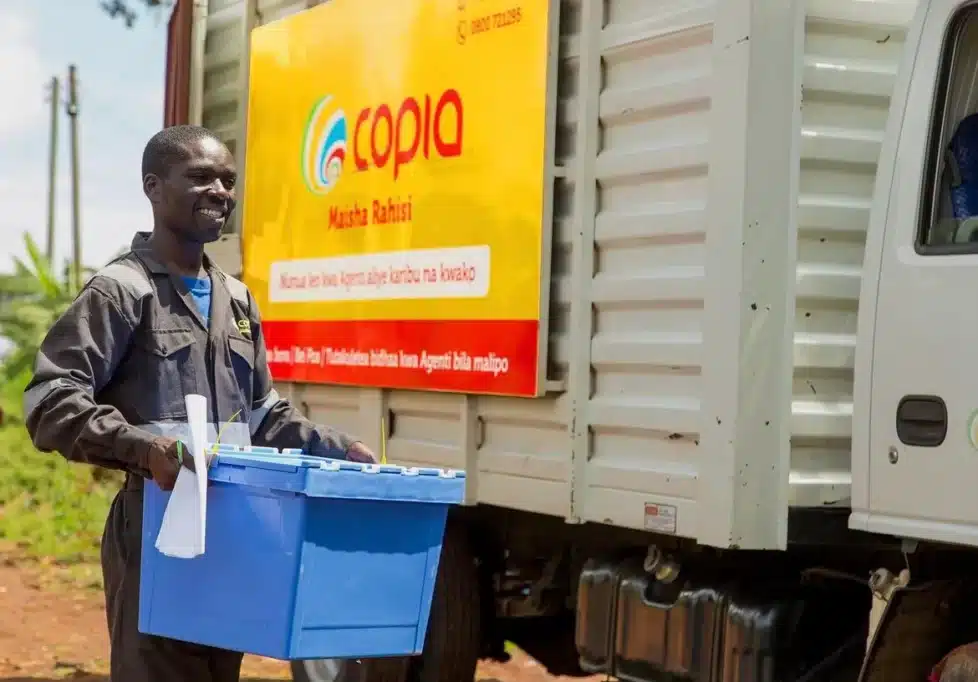
The company is seeking buyers for its furniture, technology equipment, website, brand and customer base after a decade of operations in Kenya.
Copia Kenya is preparing to dispose of its remaining business assets as the e-commerce company moves towards an exit from the Kenyan market after approximately 10 years of operations.
The planned sale includes office furniture, technology equipment and other business assets, alongside the company’s website, brand and customer base. The disposal could provide an opportunity for another business to acquire an established digital commerce platform and build on its existing market presence.
Copia built its business around connecting consumers, particularly those in rural and peri-urban areas, to a wide range of household goods and everyday essentials. Through its digital ordering platform and network of local agents, the company sought to make shopping more accessible to customers who often had limited access to large retail outlets.
Its model attracted significant investor interest, with the company raising substantial funding to expand its operations and strengthen its distribution network.
However, the business struggled to maintain its financial sustainability amid mounting operational costs and difficulties securing additional funding. The challenges eventually forced the company to scale back its operations, leaving employees, suppliers and other stakeholders facing uncertainty over outstanding obligations.
Copia entered administration in May 2024 after failing to secure the financing required to sustain its business. The subsequent winding-down process marked a major setback for Kenya’s technology and e-commerce sector, where startups have sought to use digital platforms to address gaps in retail distribution.
The sale of the company’s website, brand and customer base could be particularly significant. Unlike furniture and office equipment, these assets may offer commercial value to a buyer seeking an existing digital retail presence, customer relationships and an established identity in the Kenyan market.
However, the ultimate value of these assets will depend on their condition, the terms of the sale and whether a prospective buyer can develop a commercially viable business around them.
Copia’s departure also raises broader questions about the economics of e-commerce in markets where reaching customers requires substantial investment in logistics, warehousing and last-mile delivery.
While digital platforms can expand consumer access and connect previously underserved markets to retailers, maintaining affordable delivery and reliable service across geographically dispersed communities can prove expensive.
For Kenya’s startup ecosystem, Copia’s experience illustrates the difficulty of translating strong investor interest and an identifiable market opportunity into a sustainable business.
The disposal of its remaining assets represents another chapter in the company’s winding-down process, with attention now shifting to potential buyers and the recovery of value for creditors.
Whether another investor will acquire the brand and digital assets to revive the business, or whether they will be absorbed into an existing retail operation, remains to be seen.